
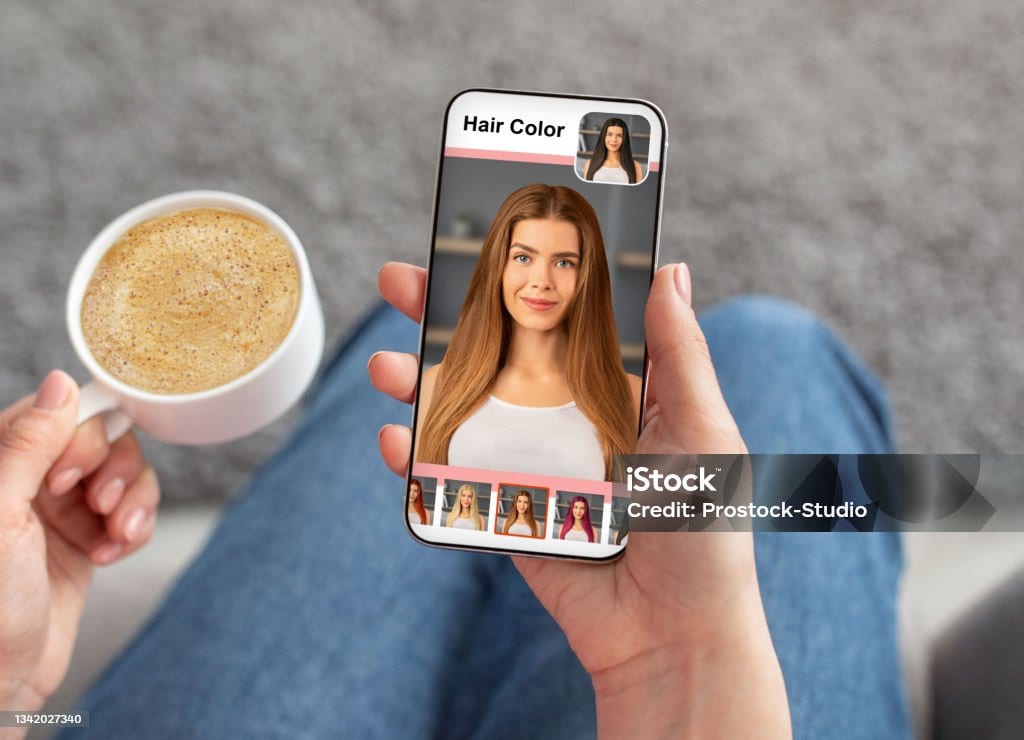
Virtual try-on has proven to help e-commerce businesses boost conversion rates by up to 2.5x. Why? Because with this technology, buyers are more confident about what to buy. Virtual try-on reduces the fear of making the wrong decision that comes with online shopping. Be it fashion, accessories, footwear, or anything else, brands are turning to this technology to deliver a more interactive and personalized shopping experience. Shoppers can get a virtual preview of their purchase before they hit the ‘buy’ button.
In this article, we’ll walk you through how the virtual try-on tool makes a difference, types of virtual try-on, and brand results.
What is a Virtual Try-On
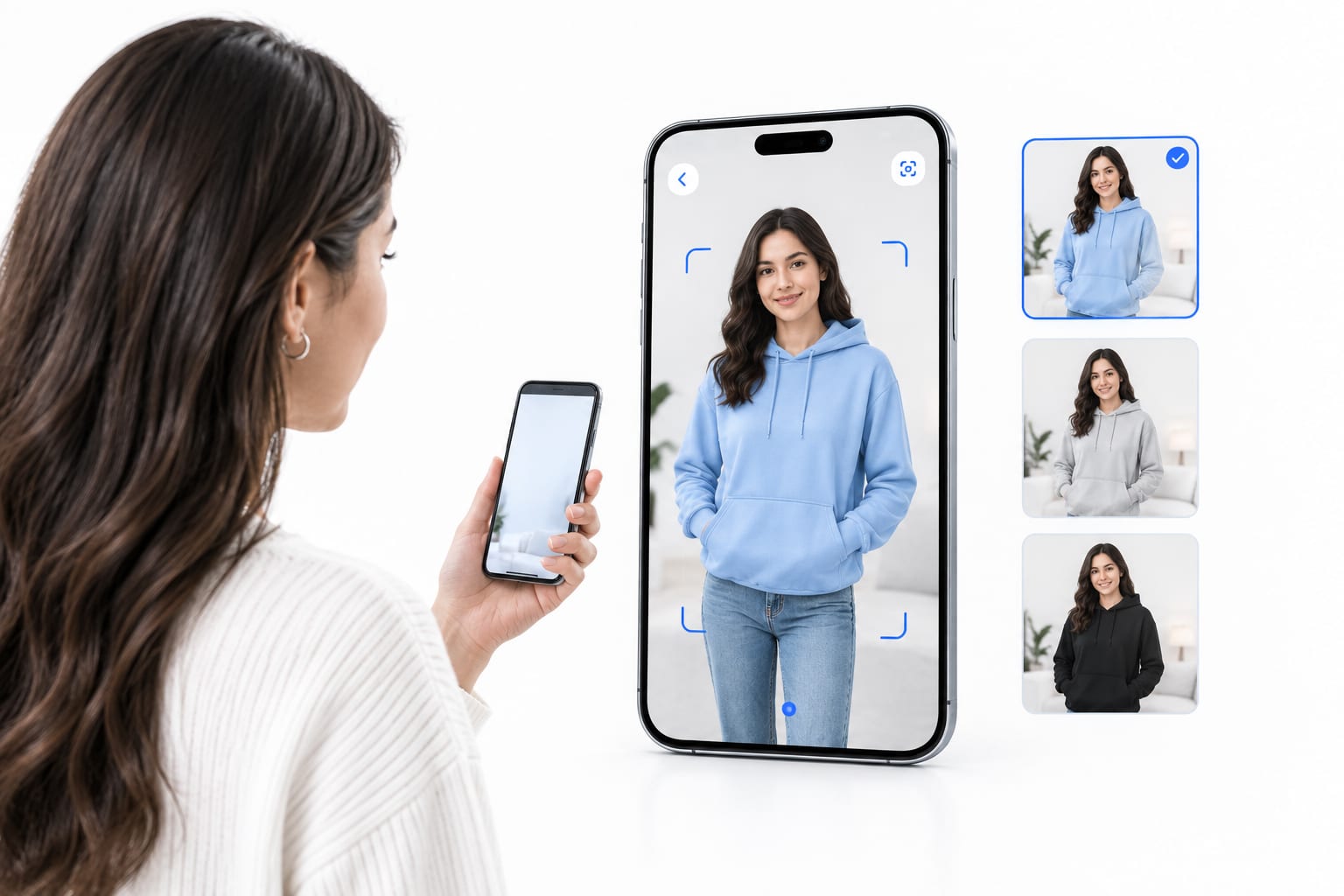
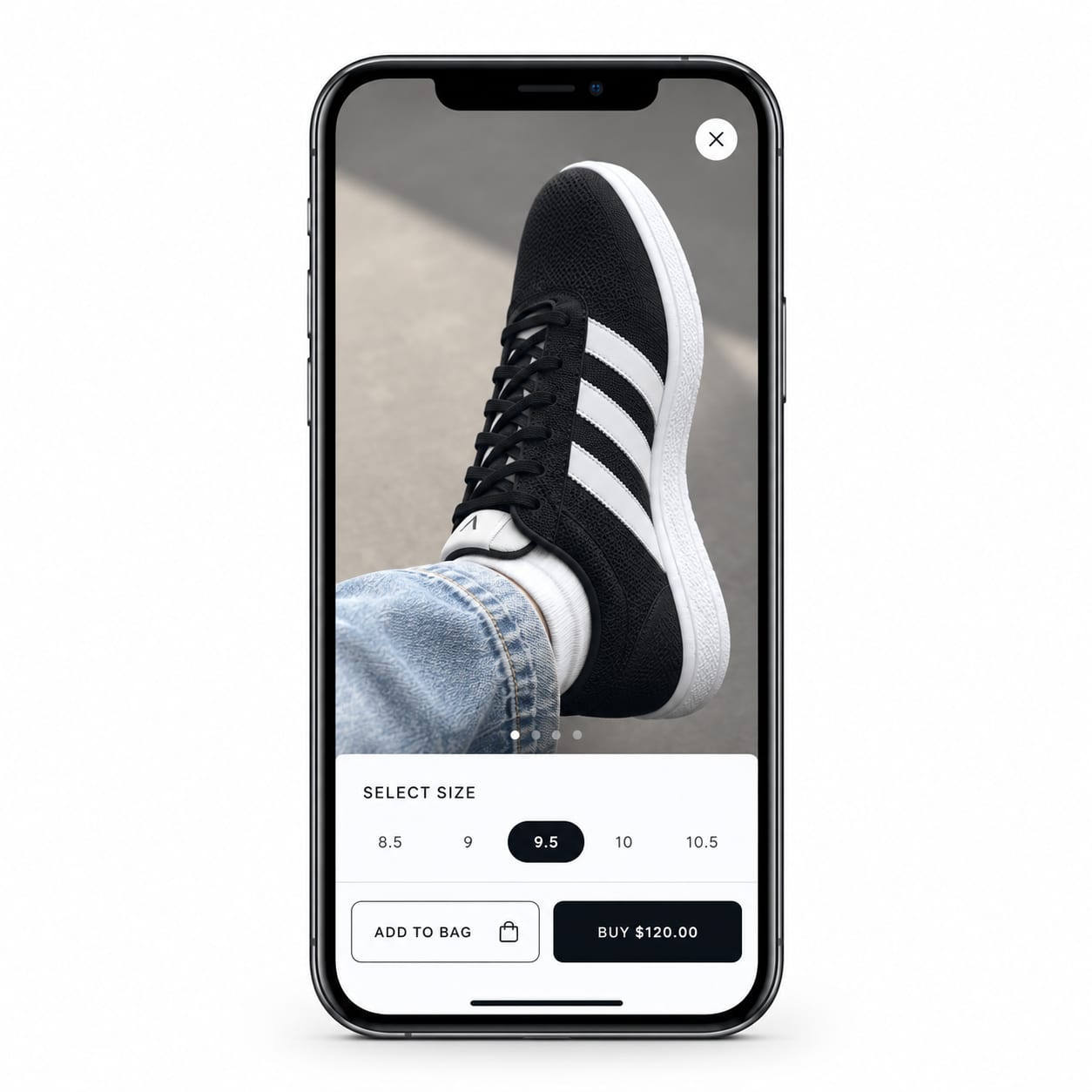
A Virtual Try-On (VTO) is a technology that allows buyers to digitally see how a product would look on them or in their surroundings before purchasing it. With the help of AI, it helps to overlay a product in real time.
Types of Virtual Try-On for Different Needs
E-commerce businesses offer a wide range of products, including clothing, eyewear, footwear, furniture, and more. Each category has its own set of customer expectations and challenges. That is why one-size-fits-all virtual try-on doesn't always work.
We’ve listed three common types of virtual try-on for different business needs:
Augmented Reality (AR)-Based Virtual Try-On
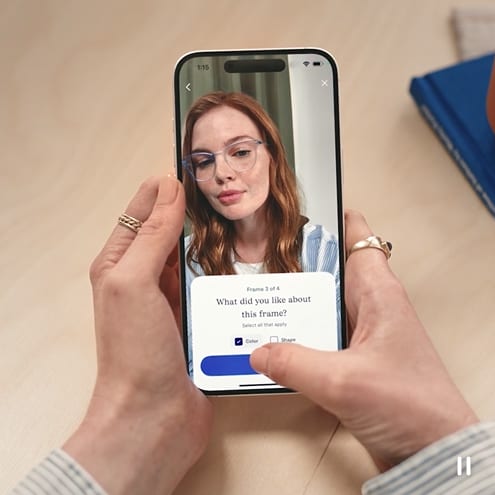
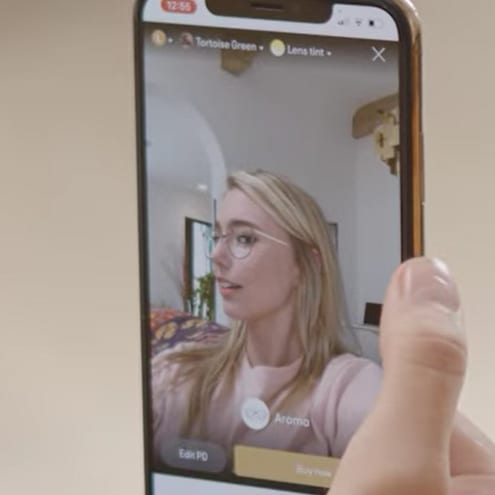
AR-based virtual try-on is used in fashion, eyewear, and beauty. This approach works by digitally placing a representation of the product within the user’s view. This way, the customer is able to see how the product would look on them in real time. This makes the shopping experience more interactive, and buyers can test different variations before making the final decision.
For example, an online eyewear store can allow buyers to virtually try on different frames on their faces and choose the one that goes with their style.
Artificial Intelligence (AI)-Based Virtual Try-On
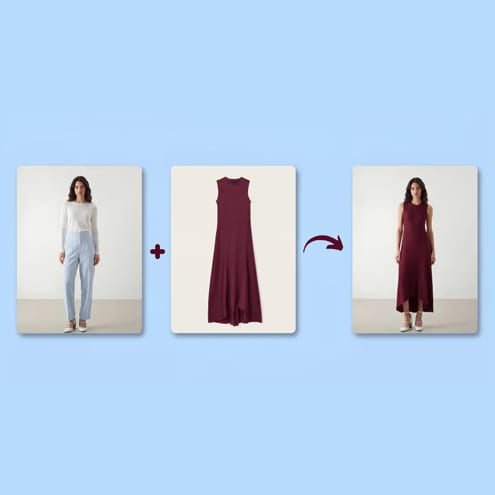
Next is AI-based virtual try-on, which combines computer vision and machine learning to analyze shoppers’ visual features. For example, in the case of an apparel brand, AI will analyze the shopper’s body proportions and evaluate how a garment will appear on them. Some advanced systems also use these insights to suggest suitable styles, sizes, and products to the buyers, helping them make more informed decisions. This type of virtual try-on may also provide custom suggestions based on the user’s past behavior and preferences.
Mixed Reality (MR) Virtual Try-On
The third type of virtual try-on is Mixed Reality, which combines physical and digital environments to deliver an immersive product experience. Instead of simply viewing the product on screen, buyers can interact with a digital version of it.
For example, IKEA’s Kreativ uses AI, spatial computing, and 3D mixed-reality graphics to help shoppers visualize furniture in their own rooms. Customers can scan their space, remove existing furniture digitally, and place IKEA products into the room to see how they fit before making a purchase.
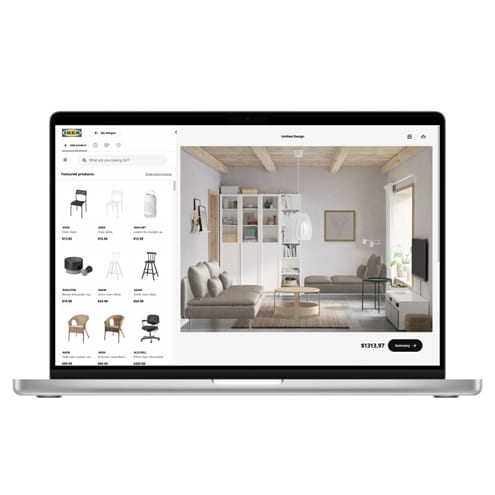
Although all of these technologies work in their unique ways, they are all meant to deal with the same challenge. By making digital product discovery more personalized, visual, and interactive, virtual try-on reduces purchase uncertainty and returns.
Why and How Virtual Try-On Boosts Conversions and Improves Sales
Virtual try-on closes the gap between seeing a product and knowing how it will look on them. It gives a try-before-you-buy experience that reduces hesitation in the purchase decision.
Let’s further explore how virtual try-on is helping businesses drive more purchases:
Minimizes Purchase Hesitation
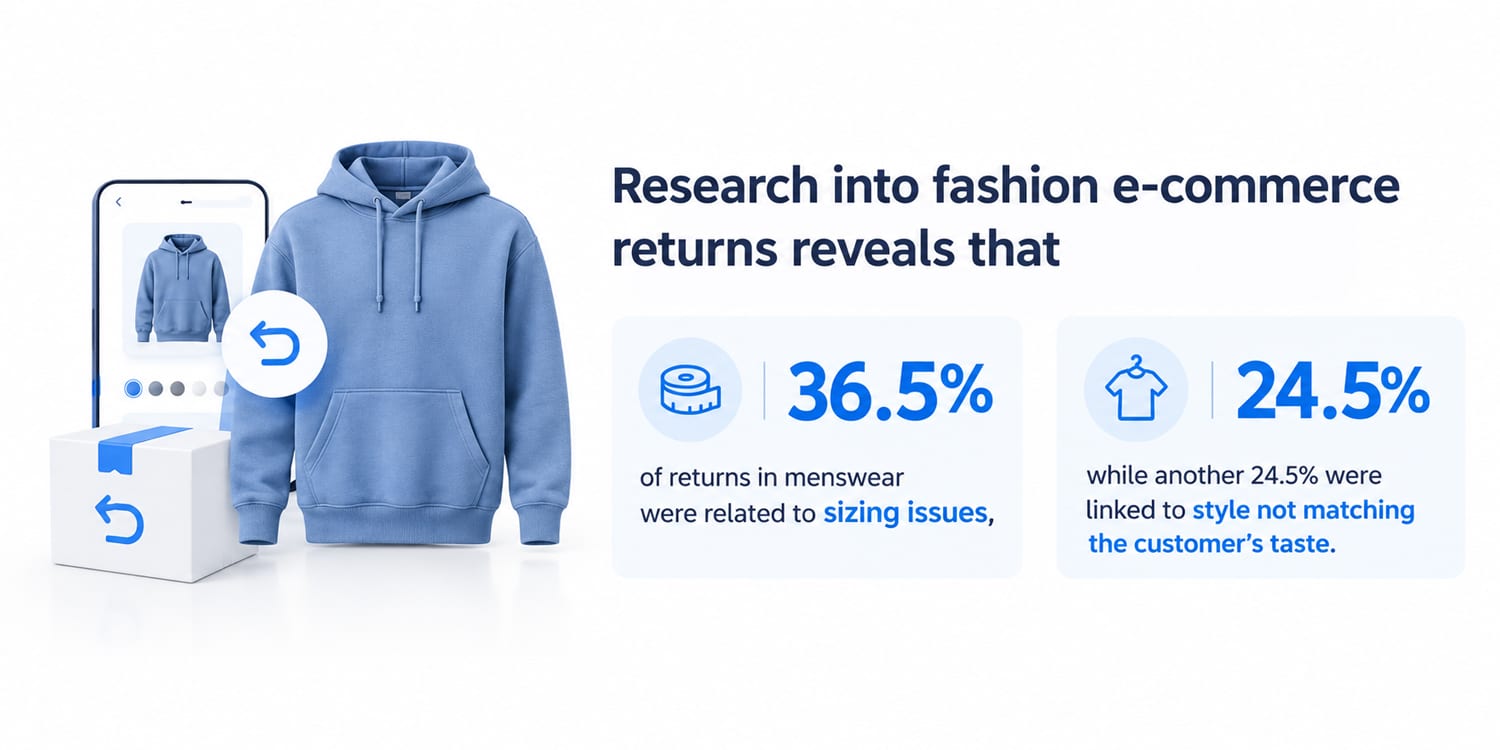
Research into fashion e-commerce returns reveals that 36.5% of returns in menswear were related to sizing issues, while another 24.5% were linked to style not matching the customer’s taste.
Improves Product Engagement
Virtual try-on turns static product pages into an engaging shopping experience. Buyers experiment with different products in various colors and sizes, instead of simply browsing the images. This improves product engagement, and customers move from browsing to buying, real quick.
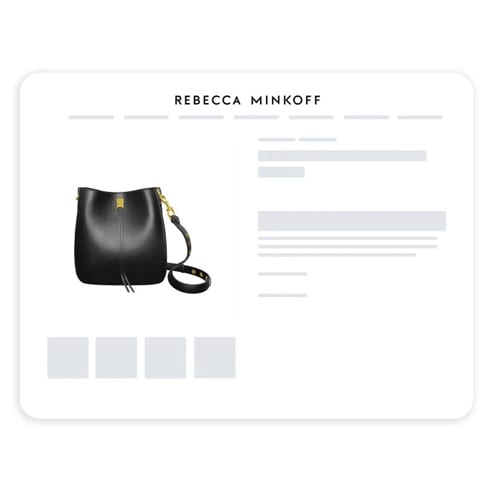
Rebecca Minkoff found that shoppers were 65% more likely to place an order after interacting with a product through AR, while viewing products in 3D made shoppers 27% more likely to purchase.
Reduces Returns
Return rates can decline when buyers have already tried a product virtually. For example, Shopify reports that Gunner Kennels reduced its return rate by 5% after adding 3D and augmented reality (AR) technology that allowed shoppers to virtually place a kennel next to their dog and confirm the right size before purchasing.
Improves Average Order Value (AOV)
When customers use the interactive try-on feature, they tend to explore more items and buy more products, which raises the overall order value. As a result, the brand enjoys more sales.
Adidas is a notable example of how personalization can improve AOV. The sportswear giant reported a huge 259% increase in average order value within 30 days after implementing it.
Conclusion
With virtual try-on brands like Notionsify, e-commerce businesses can provide customers with a more interactive shopping experience. The tool can be easily integrated with WooCommerce and Shopify, helping businesses offer virtual product visualization directly within their online stores.
Looking for a virtual try-on but don’t know where to begin? Speak to our experts, and we’ll help you get started.
FAQs
Can virtual try-on reduce product returns?
To some extent, yes, it can help address one of the main reasons customers return products: a mismatch between what they expected and what they receive. 42% of buyers return products because they believe the item they received wasn’t as expected. With this tool, buyers can visualize products before buying and set more realistic expectations.
Which e-commerce products benefit most from virtual try-on?
Virtual try-on is particularly beneficial for products where appearance, fit, or style influence the buying decision, for example: clothing, eyewear, footwear, jewelry, makeup, and accessories.
Does virtual try-on require coding?
No, especially if you are using tools like Notionsify. Businesses can integrate the virtual try-on experience into their online stores with no coding or technical knowledge. Plus, the team at Notionsify is available to help when needed.
How much does a virtual try-on tool cost?
The prices may vary based on several factors. But Notionsify is among the premium yet most affordable tools. The prices start at $39/month for the basic package.